| This article was translated from Norwegian using an AI tool. |
Social entrepreneurship in rural Ireland
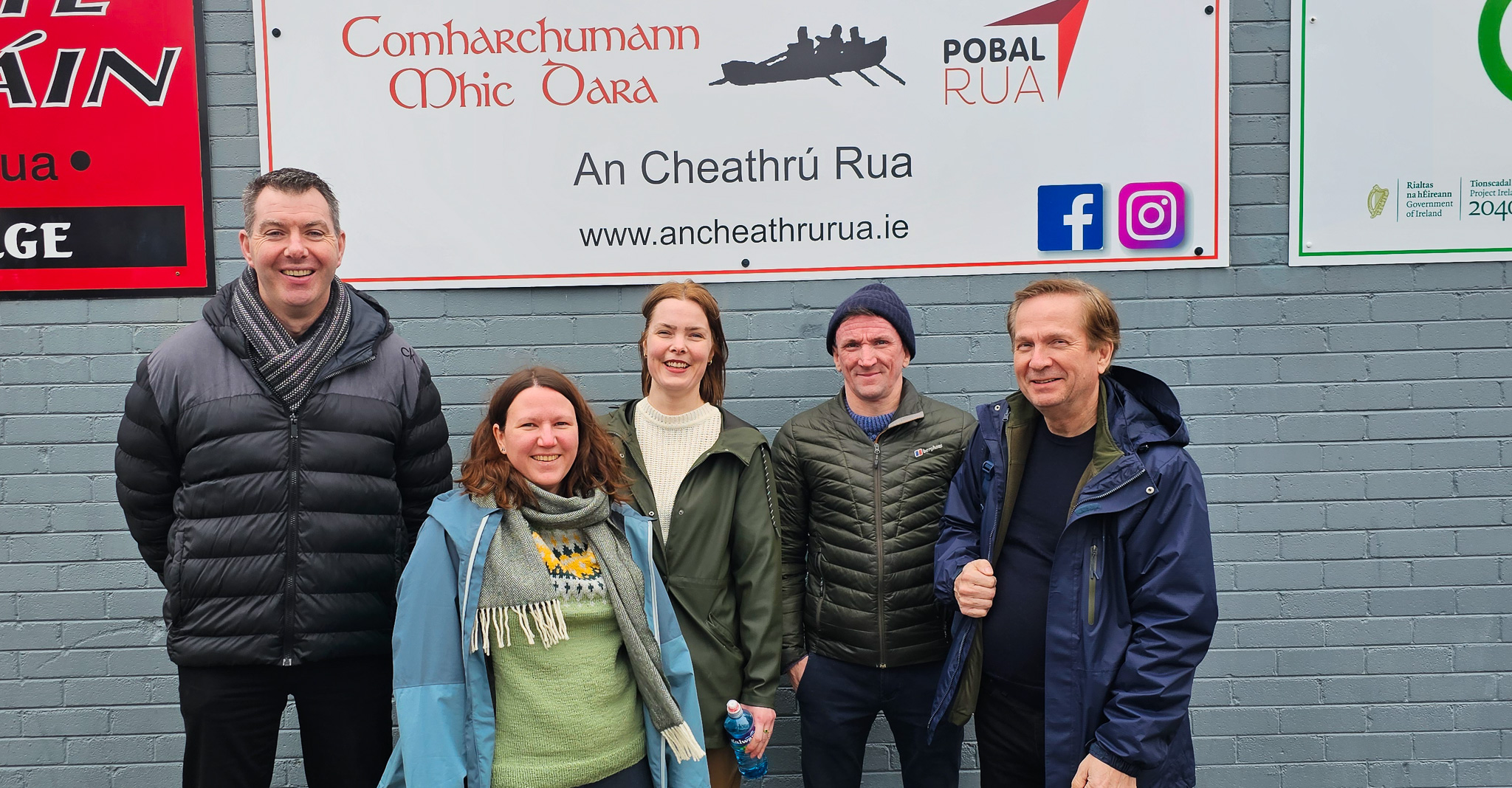
Ireland has 32 community cooperatives that help make rural areas attractive places to live while bringing together local resources and initiatives. A group from KBT Vocational College travelled to Galway for an internship with one of these cooperatives. Our destination was the village of An Cheathru Rua (Carraroe) in Connemara, a short drive from Galway city.
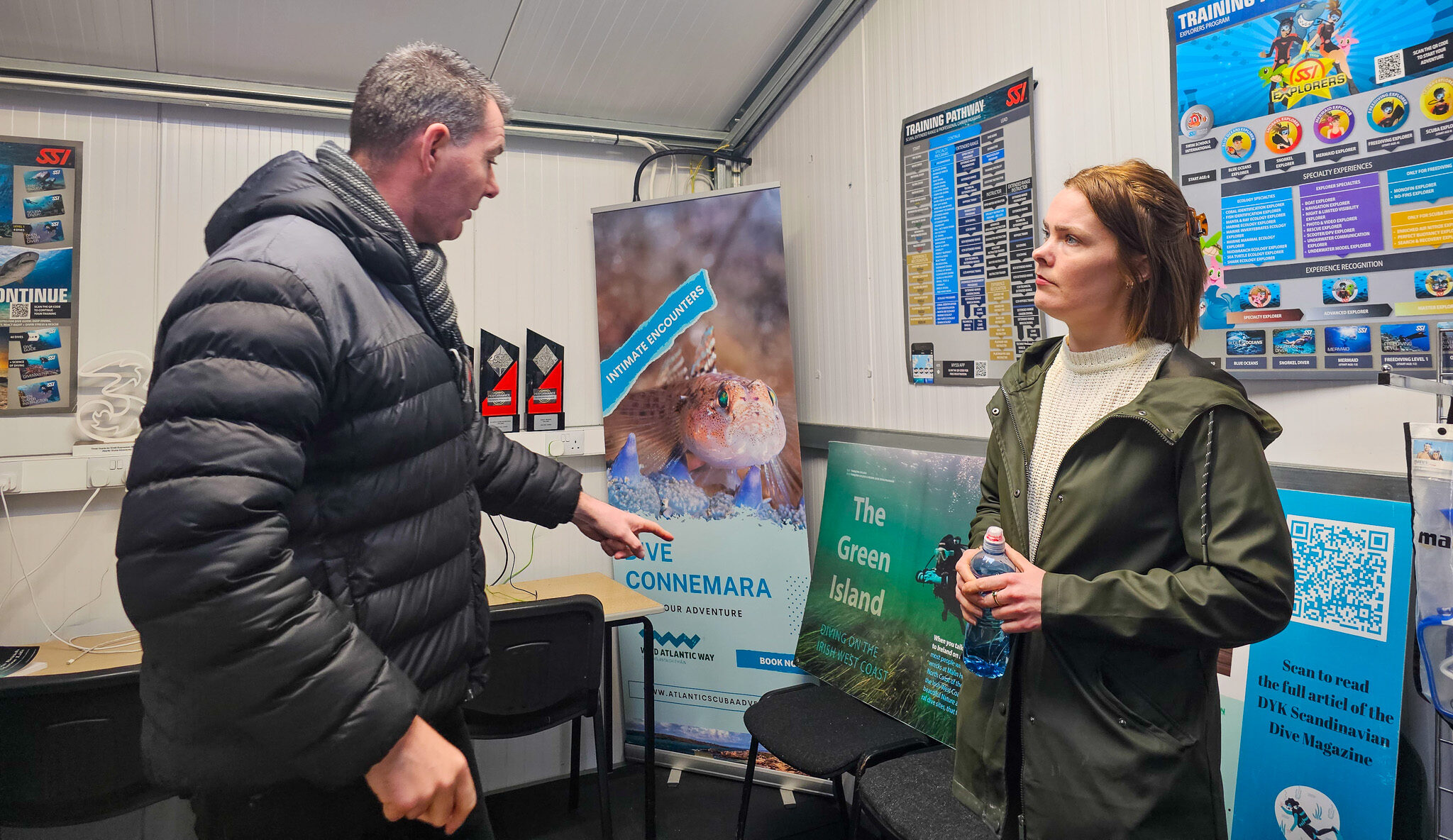
What was once an industrial area now hosts everything from office rentals to a small diving centre. Here we met the talkative Seán Ó Domhnaill, the driving force behind the cooperative. His goal is simple: to ensure that rural communities in Galway can be just as attractive as the city.
“Why shouldn’t we have what everyone else has?” is the motto.
Language – Irish/Gaelic – is a key foundation for many of the services offered. It is about being able to access services in one’s own mother tongue. Twenty years ago, the language was close to disappearing. Today it has experienced a revival and is considered cool among many young people.
Attractive local communities
The cooperative works on everything from local electricity supply to services and facilities the community wants and needs, helping make it both possible and attractive to live there. A playground, a fire station and a fitness centre are just some examples. Through creativity, innovation and business acumen, the cooperative has developed into an inspiring example of social entrepreneurship.
The cooperative has several different income streams and has made a number of investments that generate new revenue. For example, they have built a small solar park that produces more electricity than they need themselves.
Everything goes back to the community
Tourism and summer courses are also important sources of income. With the revival of the Irish language, the summer courses have become increasingly popular. The revenue is reinvested in the local community rather than going to a commercial operator.
Local residents can also invest and become co-owners. Buying a share costs €100 as a one-time payment. Today, around 100 people are co-owners of the cooperative. Co-owners can participate in general meetings and other decision-making processes if they wish.
Seán, the cooperative’s managing director, is clearly proud of what they have achieved in this small village outside Galway. Long-term work and multiple income streams have helped build a stable organisation that is able to continue investing in new initiatives.
Government support
The cooperative in An Cheathru Rua also receives support from public authorities. Údarás na Gaeltachta is the regional authority responsible for the economic, social and cultural development of the Gaeltacht regions. They provide annual financial support and are also a partner—for example through action plans with recommendations.
MERSE – An Interreg project on social entrepreneurship in rural areas
Údarás na Gaeltachta is part of the project MERSE (Business Models Empowering Rural Social Entrepreneurship – voicing the rural norm). Among other things, the project is developing a digital platform, ruralse.eu, with tools for social entrepreneurs, researchers, policymakers and partners of social entrepreneurs. Through this project we had the opportunity to do our internship in An Cheathru Rua.
MERSE also has a facilitator programme for social entrepreneurs. They held a gathering while we were there on internship. You can read more about this in the following articles:
Leadership Training Programme reunited in Galway
Day 1 in Galway: From challenges to shared insights among the facilitators
Day 3 in Galway: The Aran Islands as a classroom

A community cooperative in Norway?
With new inspiration in our suitcases, we are now exploring whether this model could work in a Norwegian context. According to our new friend Seán, the model could be adapted anywhere in the world.
At the very least, parts of this approach may be relevant for rural Norway. We know that many exciting initiatives are already happening in villages across the country, even as some communities struggle with depopulation and an ageing population.
Exactly how we will move forward is not yet clear—but we are excited to see what the future may bring.