
This article was translated from Norwegian with help from an AI tool
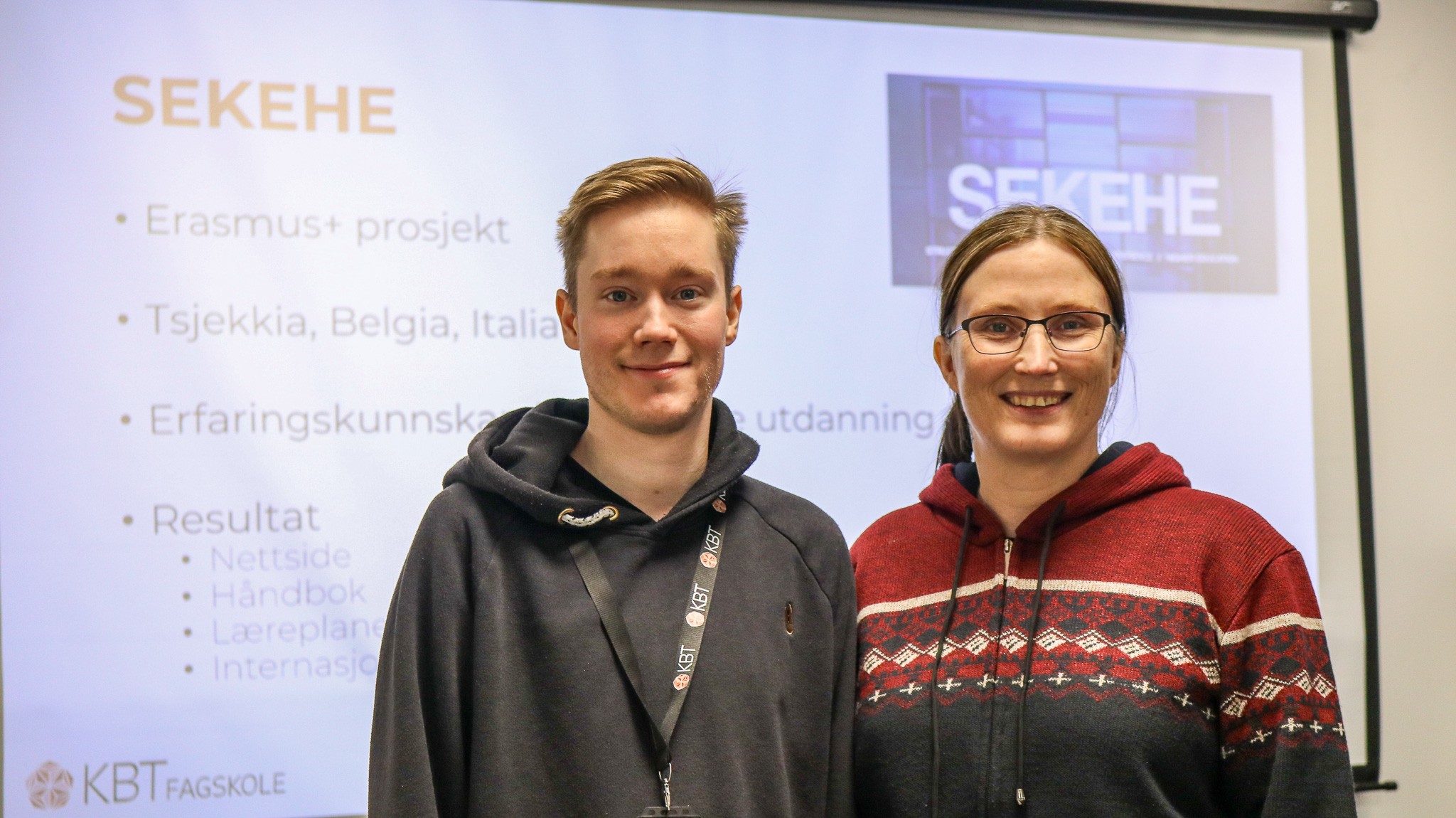
Over the past three years, the Erasmus+ project SEKEHE has worked to systematically integrate user experience into higher education through co-creation. You can now access the handbooks and watch webinars on co-teaching, student support, accessibility, and methodological frameworks.
SEKEHE started in autumn 2022 and was completed in autumn 2025. The project has involved collaboration with universities and colleges from the Czech Republic, Belgium, Italy, and Norway. From all partner countries, people with lived experience—for example related to mental health—took part. In the project, these participants were referred to as experts by experience.
Project Results
Co-learning and inclusion of user experts
SEKEHE has developed and facilitated co-learning activities in which experts by experience in higher education participated actively. Their experiential knowledge has been systematically integrated into the curricula.
Result: Updated learning plans for nine higher-education courses.
Support schemes and models for user experts
The project has resulted in five models and support programmes for how to include, follow up, and further develop experts by experience in academia. This includes information material and a poster.
Regarding the learning environment, the project has developed formats and support schemes for user experts and lecturers working with students in vulnerable situations.
Result: Five different student support initiatives.
Methodological frameworks and international knowledge sharing
A key part of the work has been to develop methodological and structural frameworks, both locally and internationally, to ensure the systematic use of experiential knowledge in higher education.
The results include:
- International webinars on the use of lived experience in higher education
- Five local webinars on the use of user experience