
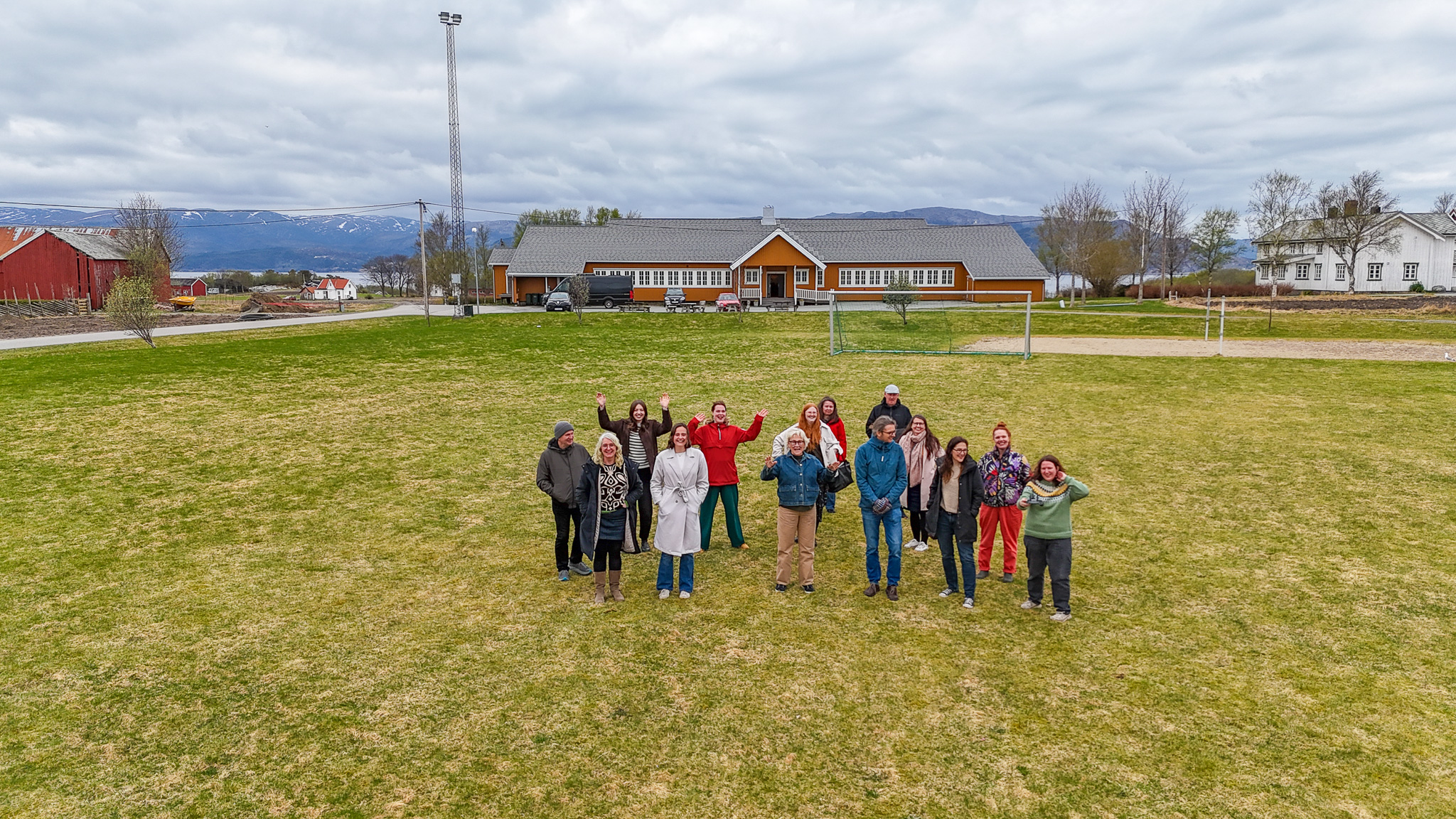
After three years of international collaboration, concrete proposals are now being presented – from long‑term financing to changes in procurement – that can give social enterprises better conditions to grow while also creating jobs, services, and renewed confidence in the future in rural areas struggling with major challenges.
Social enterprises develop practical solutions to social challenges and often serves as an engine of social innovation, with the primary goal of creating social value rather than private profit. This can include, for example, businesses that run cafés or services where people far from the labour market are given jobs and support to re-enter employment.
Despite their growing importance in rural areas, many social enterprises operate without long-term funding, clear regulatory frameworks or support tailored to their needs. As a result, their potential to contribute to local services, job creation and social inclusion remains constrained.
The new policy recommendations provide concrete guidance on how rural policy can be designed to strengthen social enterprises. They draw on research, dialogues, pilot studies, and tested methods involving social entrepreneurs, support organizations, and decision‑makers in Finland, Ireland, Iceland, Norway, and Sweden. Together, they outline what is needed to create more stable and enabling conditions for social entrepreneurship.
“Social enterprises have a great potential to address societal challenges in rural Norway. Social enterprises are particularly well suited to promoting co‑creation and user participation and can be a good alternative to both public and private services. To take out this potential, we need to give them the tools and framework they need. There is political will, but existing systems are not designed for social entrepreneurs, and there’s a lack of knowledge about what they are and can be” , says Sara Westrum at KBT Vocational College (a partner in the MERSE project)
Five areas for policy reform
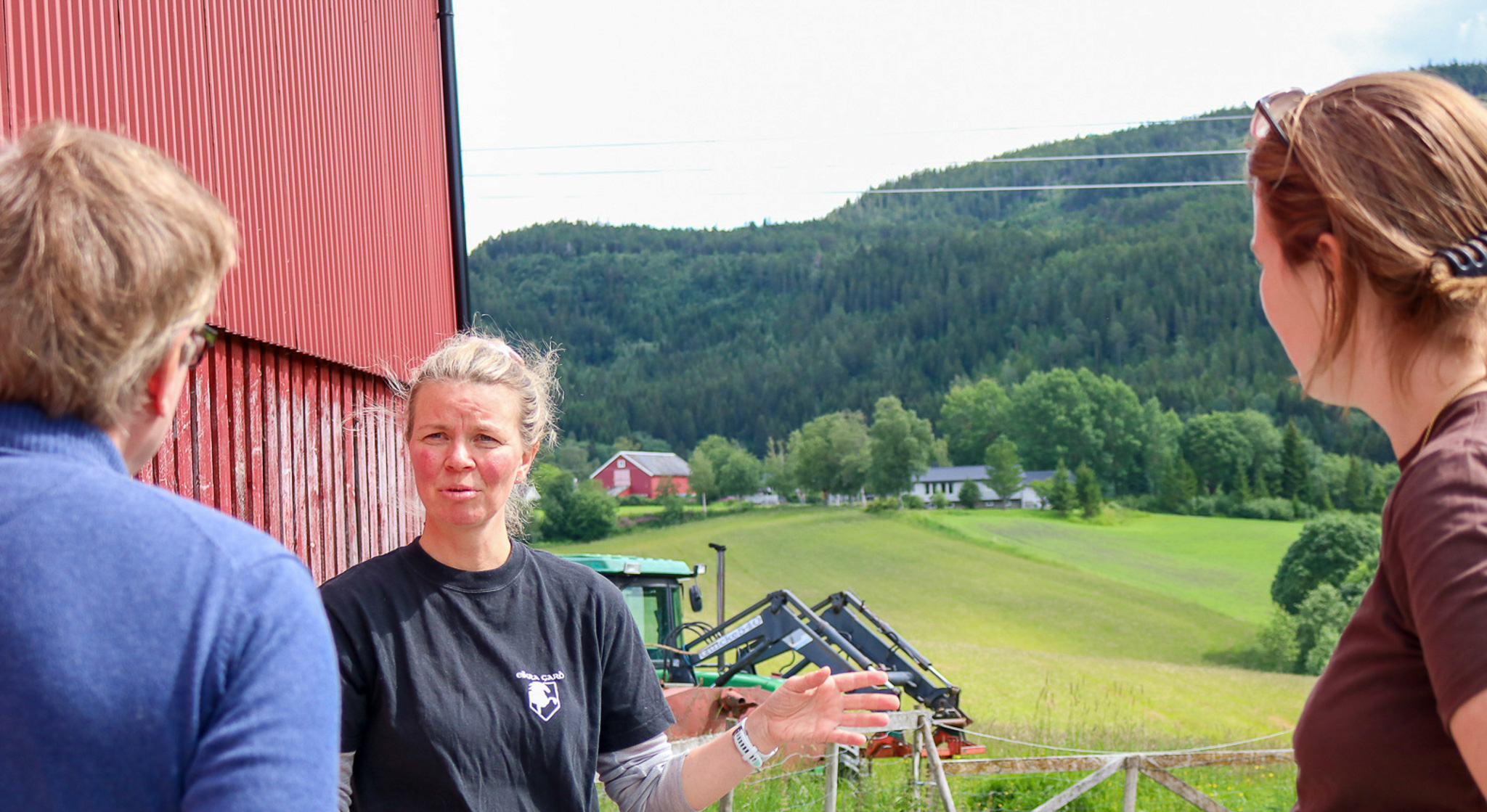
The policy recommendations identifies five priority areas for action.
First, it calls for clearer political recognition of social enterprises, including shared definitions and improved data. A central proposal is the introduction of “rural proofing” – ensuring that policies are systematically assessed for their impact on rural areas.
“In a Norwegian context, we also see a need for a new organization form”, Sara Westrum adds.
Second, the report highlights the need for long-term funding. Short-term project grants are described as a recurring barrier. Instead, it proposes multi-year funding schemes alongside blended finance models combining grants, loans and development support, adapted to smaller organisations.
Third, public procurement is highlighted as a strategic lever. Greater use of social criteria could open up opportunities for social enterprises while strengthening local services, labour market integration and care provision.
The report also points to the need for more targeted support systems, including advisory services that reflect the realities of cooperative and community-based business models, as well as better tools to measure and demonstrate social impact.
Finally, it argues that social enterprises should be seen as strategic partners in local and regional development, particularly for municipalities facing challenges related to service delivery, workforce shortages and social inclusion.
An underused resource
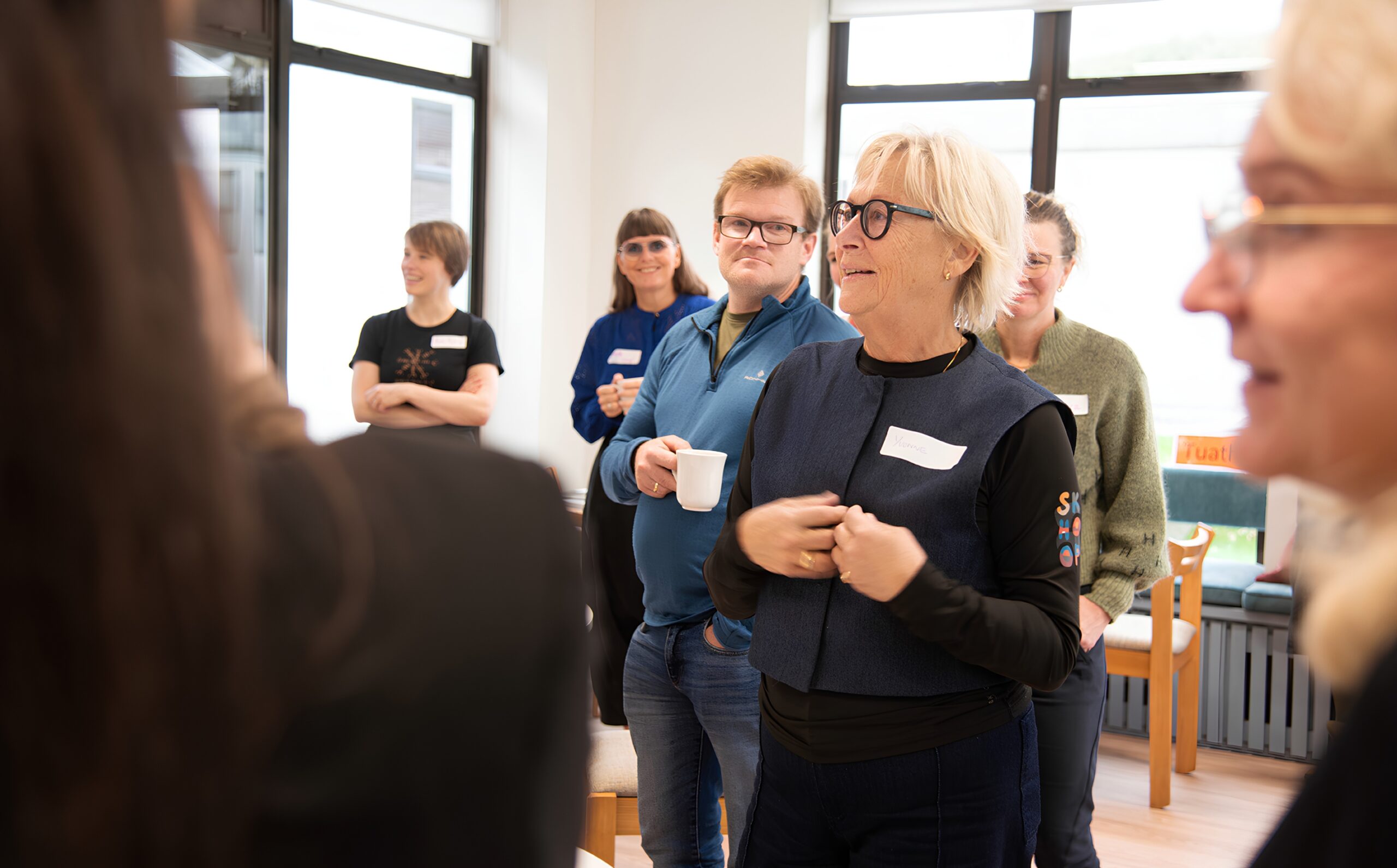
MERSE concludes that social enterprises represent a significant, but still underused, resource in rural development.
“Social enterprises are already creating jobs and addressing societal needs where other actors fall short. With the right conditions, they could play a much stronger role in Norway´s rural development and contribute to more resilient local communities,” says Karl Johan Johansen, headmaster at KBT Vocational College and part of MERSE.
The recommendations are intended to inform policymaking at national, regional and local levels.
Cross-border collaboration
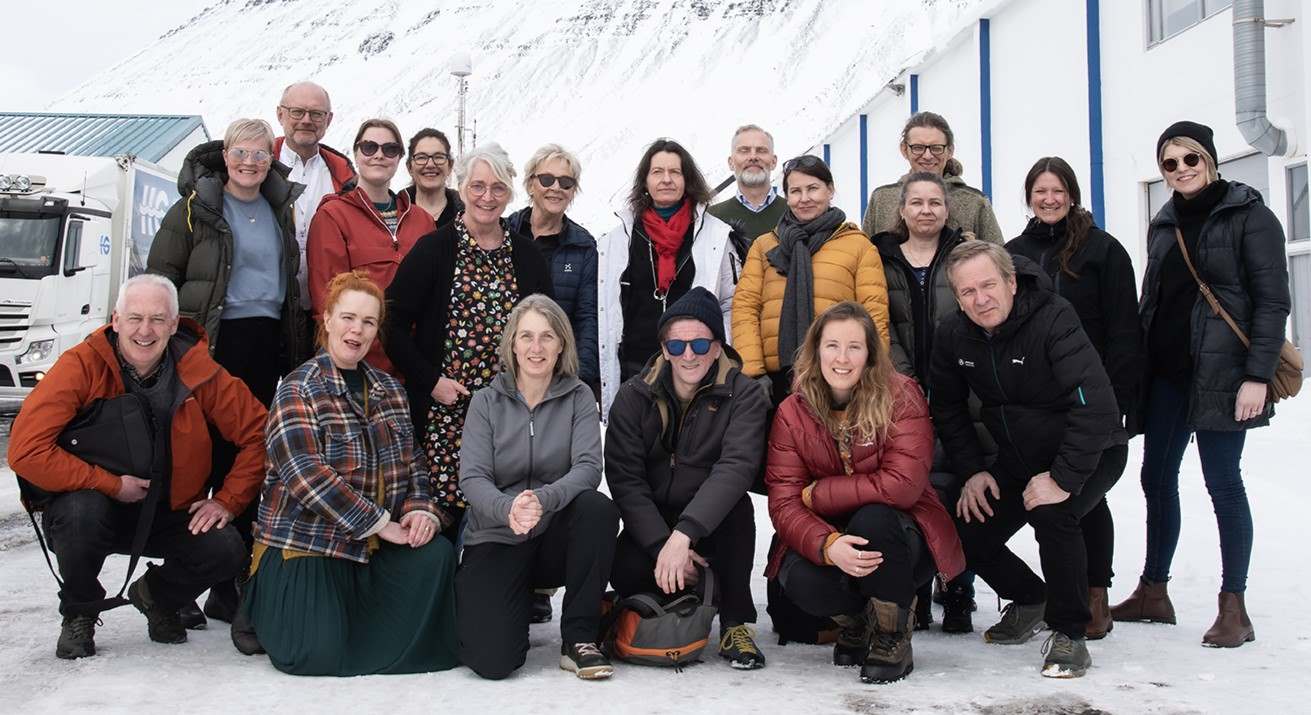
MERSE – Business Models Empowering Rural Social Entrepreneurship, is carried out between 2023 and 2026 as part of the EU’s Interreg Northern Periphery and Arctic (NPA) programme. The project brings together researchers, public bodies and support organisations from Finland, Ireland, Iceland, Norway and Sweden. It is funded by Interreg NPA, alongside Region Jämtland Härjedalen and Region Västernorrland.
According to the project team, international collaboration has been key.
“We have mapped and compared the conditions for social enterprises in five countries, and we see that many of the challenges are shared across Northern Europe. Working together has made it possible to identify solutions that are both widely relevant and adaptable to local contexts,” says Westrum.
From recommendations to reform
The next step is implementation. As many rural areas face declining populations, labour shortages and reduced access to services, the report outlines how social enterprises could become a more integral part of long-term development strategies — provided the right policy conditions are in place.
Contact
Sara Westrum
Teacher in social entrepreneurship at KBT Vocational College
E-mail: sara.westrum@kbtkompetanse.no
Phone number, KBT Vocational College +47 973 41 833
Karl Johan Johansen
Headmaster, KBT Vocational College
E-mail: karl.johansen@kbtkompetanse.no
Phone: +47 950 82 226
More information
Key policy proposals
The MERSE policy recommendations highlight five areas where policy change is needed to strengthen social enterprises in rural areas:
- Clearer recognition of social enterprises
Many social enterprises currently operate without a clear place in policy frameworks or statistics. MERSE calls for common definitions and improved data, alongside the introduction of “rural proofing” — ensuring that policies are systematically assessed for their impact on rural communities.
- More long-term funding
Short-term project funding remains a major barrier to stability and growth. The report calls for multi-year funding schemes and the development of blended finance models — combining grants, loans and capacity-building support — tailored to smaller and resource-constrained organisations.
- Public procurement as a strategic tool
The public sector is seen as a key driver of change. By making greater use of social criteria in procurement, more social enterprises could compete and contribute to areas such as local services, labour market integration and care provision.
- Better adapted support systems
Social enterprises often operate under different conditions than traditional businesses. The report highlights the need for advisory services and support structures that reflect cooperative, democratic and community-based business models, alongside tools to better measure and communicate social impact.
- Social enterprises as development partners
Finally, MERSE emphasises the need to position social enterprises as strategic partners in local and regional development. Stronger collaboration between municipalities and social enterprises could help deliver services and solutions rooted in local needs.
Full policy recommendations: https://www.interreg-npa.eu/projects/merse/home/outputs-results/
What difference could the recommendations make?
The Policy recommendations show how social enterprises could become a stronger driver of sustainable development by contributing to:
- Increased employment and inclusion, particularly for people far from the labour market.
- Stronger local services in areas where public and private provision is limited.
- More resilient and vibrant rural communities.
With the right policy frameworks in place, they could help more people live and work in rural areas.
Who are the policy recommendations for?
- National and regional policymakers
- Municipalities and public authorities
- Organisations supporting enterprise development
- Public sector actors working with procurement and development programmes
They are also relevant for social entrepreneurs themselves by clarifying future opportunities and support structures.
More about MERSE
MERSE is an international research and development project running from 2023 to 2026 within the EU Interreg Northern Periphery and Arctic programme. It aims to strengthen the conditions for social enterprises in rural areas. For more information, go to https://www.interreg-npa.eu/projects/merse/home/